
A Style For Every Property
Known for their natural beauty, versatility, and adaptability to a wide range of styles, wood fences remain a popular choice among property owners. Whether you're looking to add privacy, define boundaries, or simply boost your home's curb appeal, wood fencing offers a solution that combines traditional charm with effective performance. We specialize in installing pressure-treated pine and cedar boards.
Installation Tips
Before installing a wood fence, check local zoning laws and HOA guidelines to ensure compliance. A professional installer can guarantee craftsmanship and navigate any issues with terrain or measurement.
Maintenance & Care
Regular maintenance is critical to extending the life of your wood fence — including cleaning, staining, or painting the wood every few years to prevent rot and weather damage.
Built for Different Purposes
Wood fences can be designed in multiple styles, each serving different purposes and complementing various architectural designs.
Picket Fences
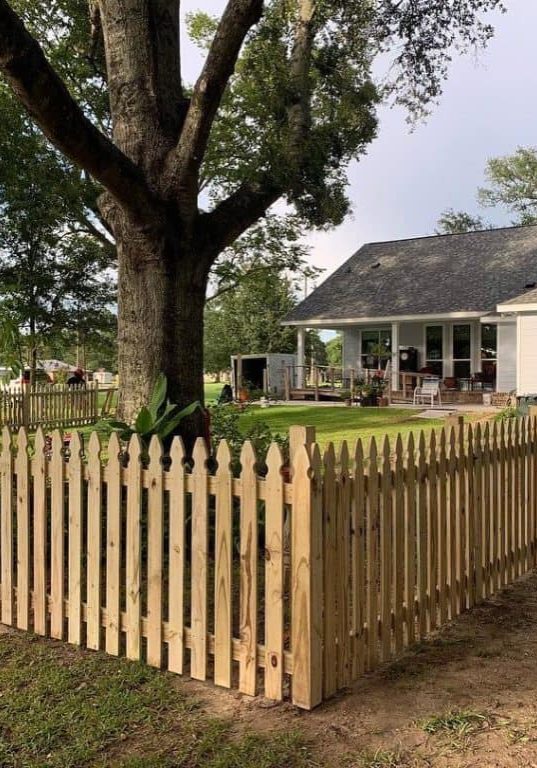
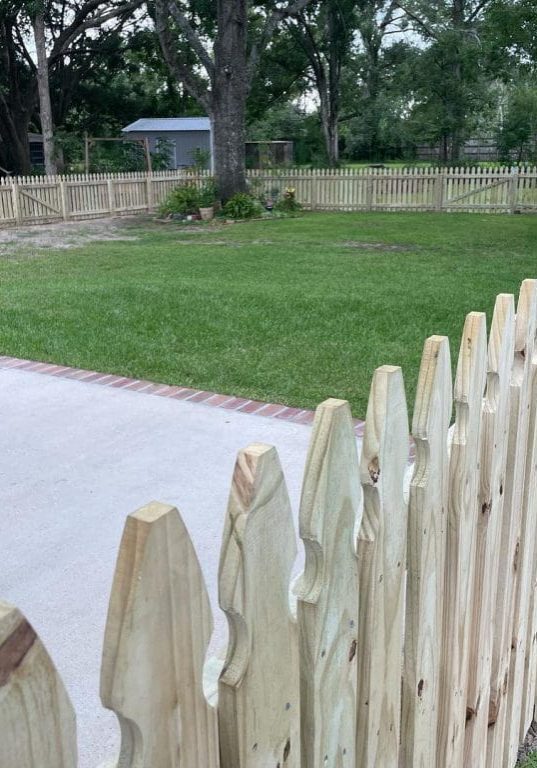
One of the most iconic types of wood fencing, known for spaced vertical boards attached to horizontal rails. Traditionally used to adorn front yards, providing a charming boundary that enhances curb appeal without obstructing views.
Maintenance: Requires regular painting or staining. Inspect periodically for loose or broken pickets and repair promptly.
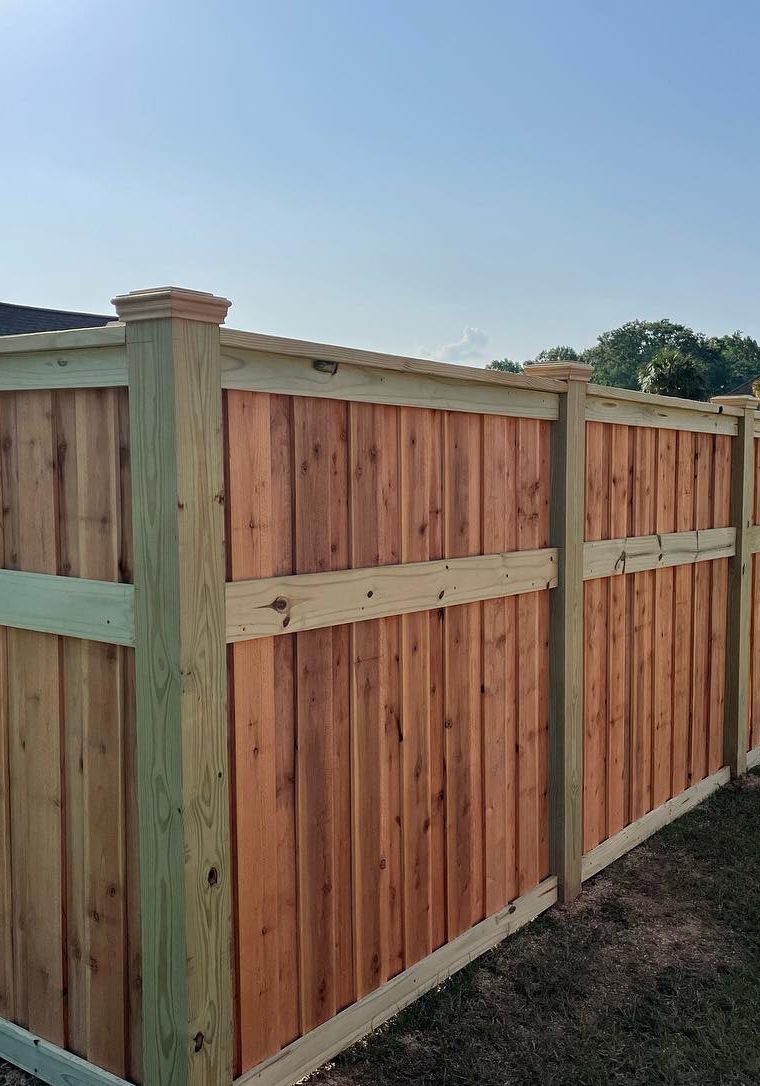
Privacy Fences
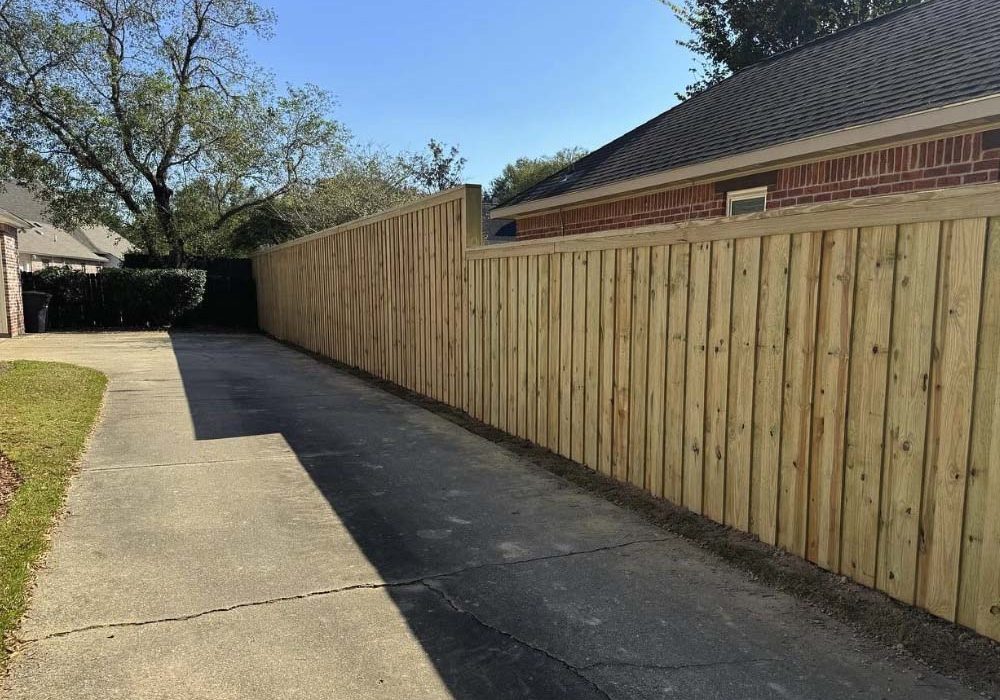
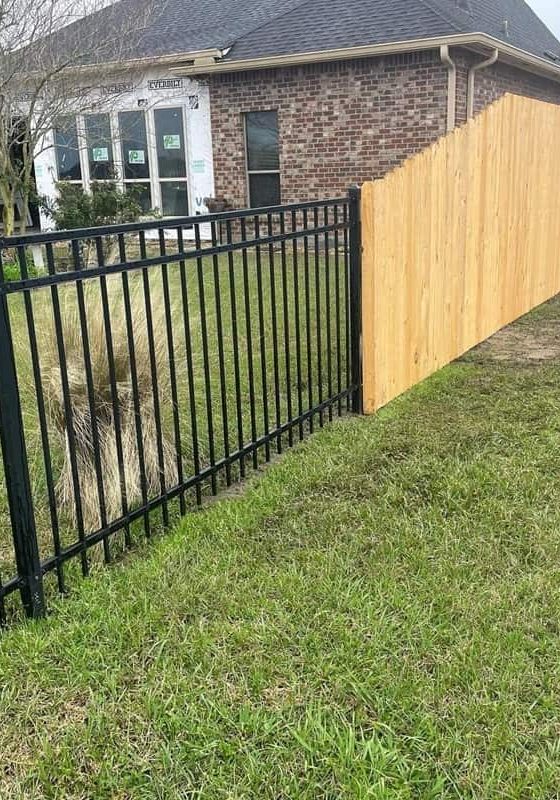
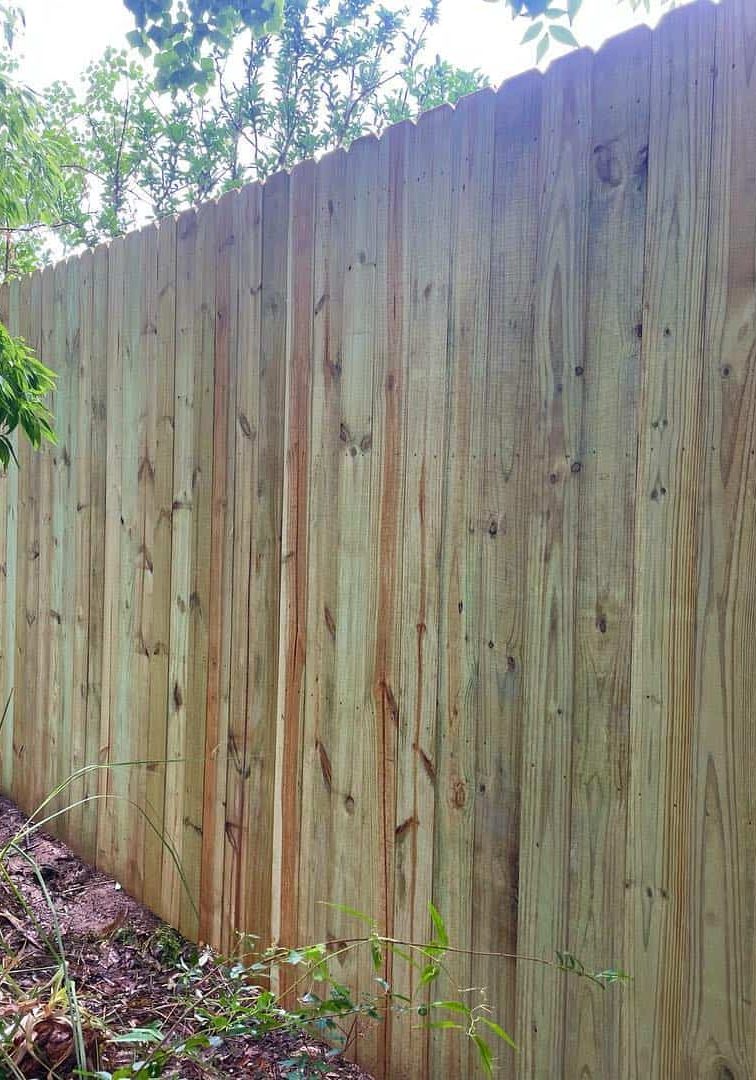
Tall — ranging from 6 to 8 feet — and built with boards installed tightly together to prevent outsiders from looking in. Offers a solid barrier that ensures privacy in your backyard or any space where seclusion matters.
Maintenance: Regular staining or sealing protects against moisture and UV damage. Check for rot or insect damage near the ground.
Split Rail Fences
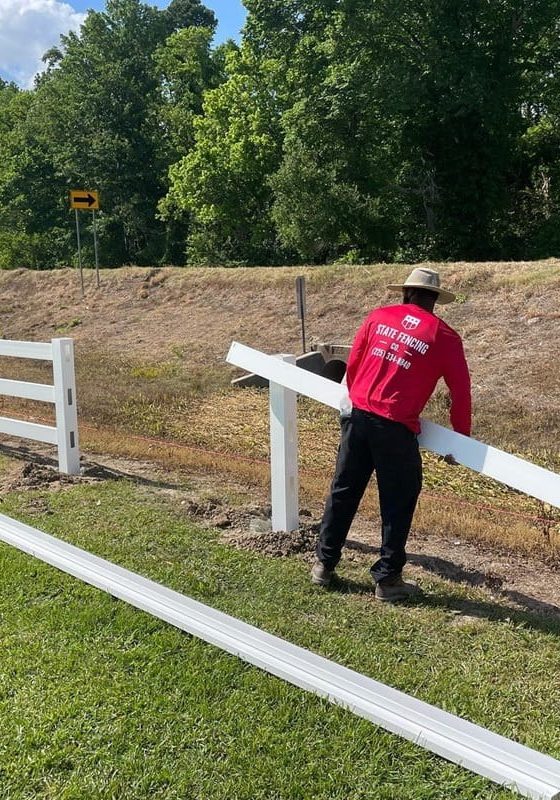
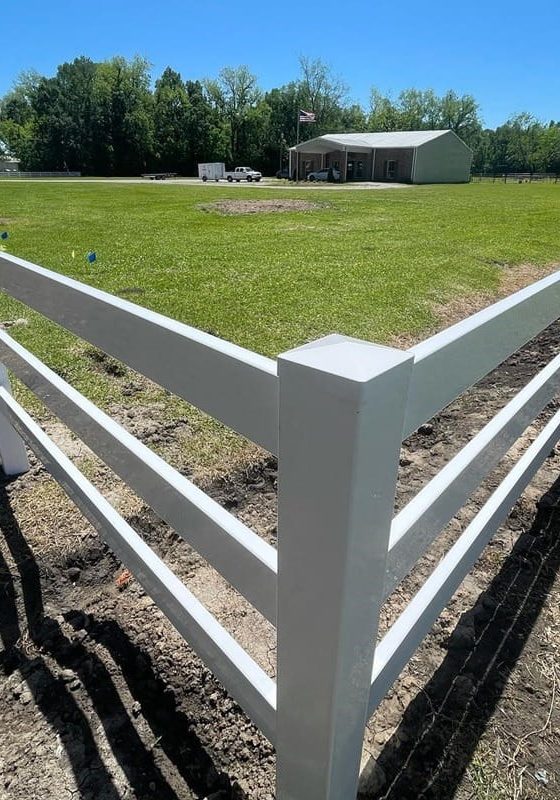
Characterized by a rustic look, featuring two or more horizontal rails inserted into notched posts. Commonly made from pine or cedar, a traditional choice for rural settings and large properties.
Maintenance: Regular staining or painting maintains durability. Inspect periodically for loose boards and secure to prevent gaps.
Board on Board Fences
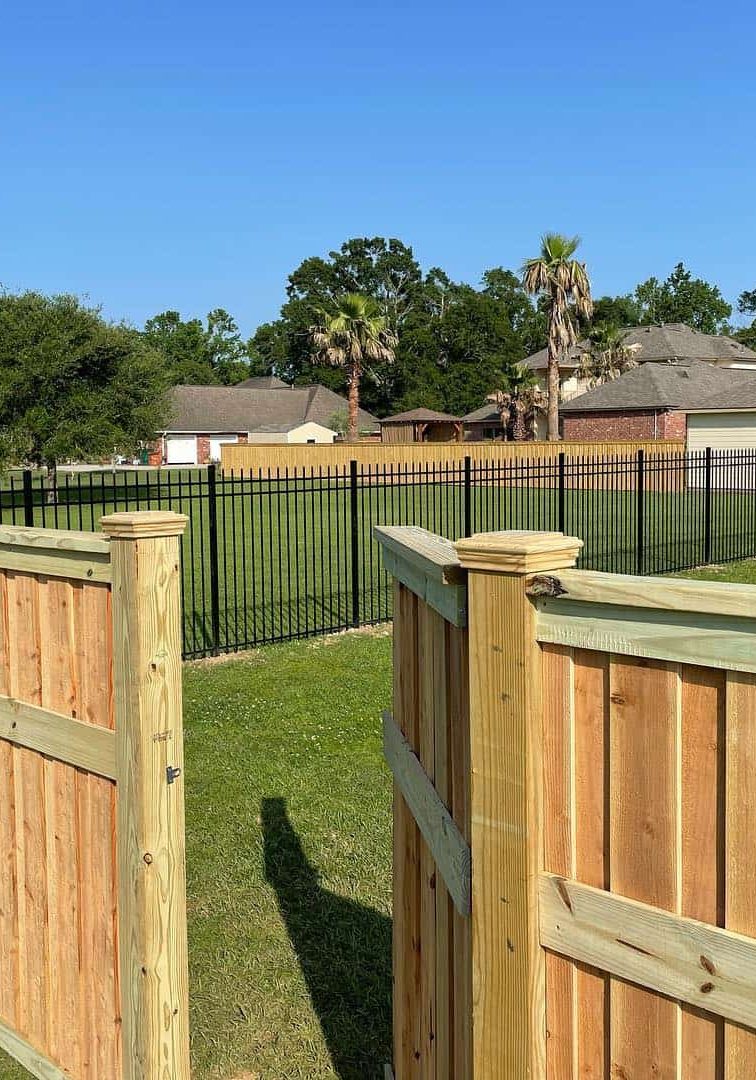
Wooden boards overlap to create a full privacy effect while still allowing air to circulate. This layering ensures privacy and adds decorative depth to the fence's appearance.
Maintenance: Regular staining or painting maintains durability. Inspect periodically for loose boards and secure to prevent gaps.
Compare Wood Types
Consider your climate, soil type, and property needs when selecting the wood for your fence.
| Wood Type | Aesthetic Appeal | Durability | Maintenance | Cost | Best For |
|---|---|---|---|---|---|
| Cedar | High — rich tones | High — 15–30 years | Moderate — staining required | Higher | Privacy & decorative fences |
| Pine | Moderate — lighter color | Moderate — 5–12 years | High — frequent treatments | Lower | Economic fencing solutions |
| Pressure-Treated | Moderate — chemical treatment | High — 20+ years | Moderate — periodic sealing | Moderate | Durable, cost-effective fencing |